movements
I’ve been in UX space for over a decade, 4 years in corporate and the rest consulting. Before that was content management for over a decade on a traditional track. The threads that tie them together are information architecture and visual design.

movements
information literacy
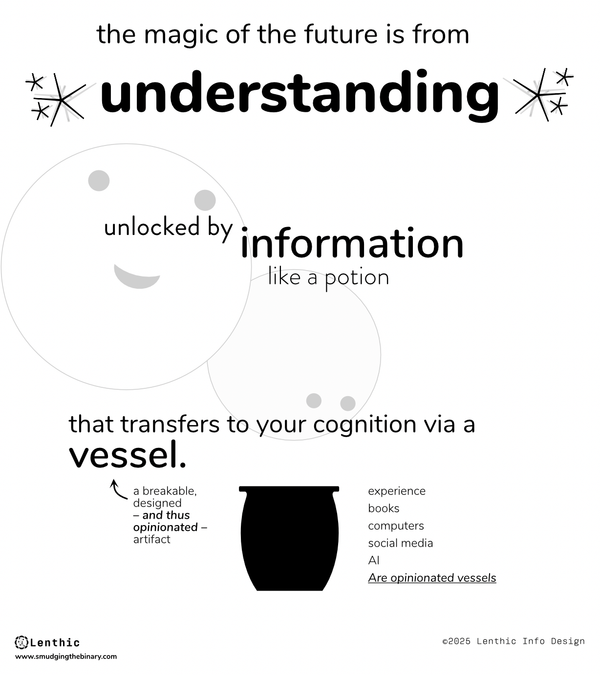
All our everyday things that would have seemed magical to someone 200 years ago came from understanding. Cars, phones, computers – they're all things we figured out. The information was around us, but we had to get the right mix involved before we could see our way to the
information literacy
Information is complex. You already know that. I'm here to tell you, as someone who freaking loves information, that it's probably even more complex than you currently think. We have a tendency right now, on a social level, to makes things simplified (often binary), and try
movements
names extending
This is one of those instances (like fully accessible design) that businesses have to let go of some things that they've prioritized and built entire machines around.
names extending
names info design
I spent weeks, probably hundreds of hours, researching names, trying to find different patterns and different taxonomies before finding W3C and Wikipedia examples like Akan names, Indian names, and African-American names.
names info design
Part of the 26 cultures researched, as noted in Names taxonomy.
names info design
So, we’ve acknowledged that the current construct is US-centric, and the US has patterns of cultural fuckuperry.
names info design
Legacy Our legacy standard is first_name:text, which we’re already shifting conceptually to given:text. In the legacy construct, the field name – e.g., first_name or given – is the category.
names info design
Legacy Our legacy standard for interfaces between governed and ungoverned data fields is pretty strict. Text field goes to ungoverned data. Dropdowns, checkboxes, radios, toggles go to governed data.
names info design
Understanding the name structure doesn't mean we now know all the ways to refer to them based on context, (presumed) relationship, legal form, etc. Broaden the cultural context enough, and even the legal name shifts in expectation.